


Tento e-shop využívá cookies a bez jejich použití není schopen fungovat.
Důležitá informace pro zákazníky: Každá objednávka je závazná, je možné ji zrušit jen do okamžiku odeslání zásilky. Pokud nebude expedovaná objednávka zaslaná na dobírku zákazníkem vyzvednuta, bude požadováno uhrazení vzniklých nákladů na odeslání zboží. Vytvořením objednávky souhlasíte s našimi obchodními podmínkami a smluvní pokutou ve výši dopravy. Pokud u zboží máte možnost „Do košíku“, znamená to, že zboží máme skladem a můžete si ho okamžitě vyzvednout v naší prodejně (toto se netýká pro zboží, které mají na webu poznámku o dostupnosti, jako baterije k notebookům, v tomto případě prosím počkat na zprávu o podmínkach vyrizení objednávky). Lepší je, si zboží objednat v e-shopu, pokud by to byl poslední kus, aby nebyl prodán na prodejně. Chyby, změny designu a technických parametrů vyhrazeny. Fotografie a barva zboží je pouze ilustrativní na ukázku a někdy se mohou lišit od skutečného vzhledu předmětu. Avšak toto nemění jejich základní vlastnosti.. Doporučujeme objednávat zboží dle popisu, nikoliv dle obrázku.

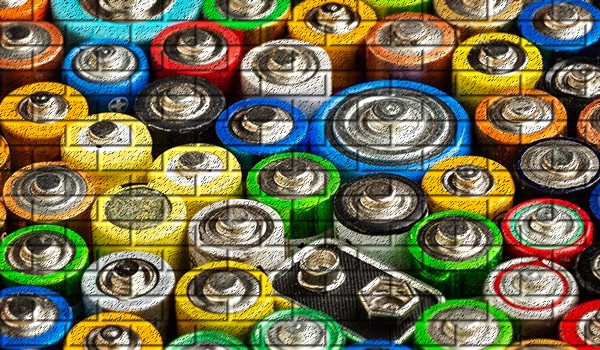
How to Choose a Primary (Non-Rechargeable) Battery?
14. 03. 2024, 11:43
Batteries for end consumers can, in simplified terms, be divided into two main groups. Although this classification is not entirely technical, they can be divided into standard and special batteries.
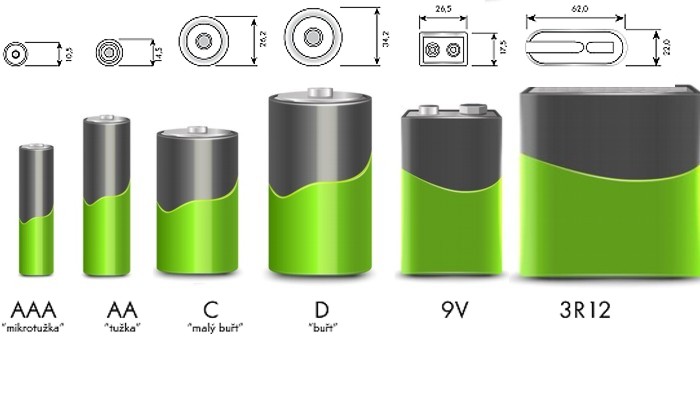
Standard batteries
The following batteries can be classified as standard batteries:
AAA “AAA batteries” R03,LR03
AA “AA batteries” R06,LR06
C “C batteries” R14,LR14
D “D batteries” R20,LR20
9V “9-volt battery” 6F22,6LR61
3R12 “flat battery” 3R12,3LR12
When choosing a battery, you should first consider what it will be used for. This determines which battery chemistry is the most suitable.
Zinc-carbon batteries
These are the least expensive type of batteries. However, they have lower capacity and a lower ability to supply higher current, which means they generally last for a shorter period. Another disadvantage is that water is produced during the chemical reaction inside the cell, which can result in battery leakage. They are therefore mainly suitable for less demanding applications such as clocks and alarm clocks, radios or some flashlights.
Alkaline batteries
Most batteries sold are alkaline batteries. Alkaline batteries generally last longer than zinc-carbon batteries. Their capacity, however, depends on the load (for example, under a low load they may provide a capacity of up to 3000mAh, while under a 1-amp load, which is common for digital cameras, their capacity may be only around 700mAh). Alkaline batteries can also leak.
There can also be differences between alkaline batteries. Major manufacturers usually produce several product ranges under different commercial names (for example, Varta offers – from the basic to the highest range – Longlife, High-Energy and Max-Tech). They differ mainly in operating life.
Comparison of zinc-carbon and alkaline battery capacity
AA AAA C D 9V 3R12
Alkaline 3000 1200 8000 12000 595 6100
Zinc-carbon 1100 540 3800 8000 400 1200
Lithium batteries
These batteries provide the longest operating life of all the types mentioned above (for example, at a current draw of 1 amp, an AA lithium battery may provide around 3000mAh, whereas an alkaline battery may provide only around 700mAh). They are therefore also the most expensive, partly because of the energy-intensive production of lithium and partly because of their construction. They are particularly suitable for devices with high power consumption, such as camera flashes, digital cameras, joysticks and similar equipment.
Special batteries
Special batteries are available in an almost unlimited number of shapes. In simplified terms, they can be divided into the following categories:
- Button cell batteries
- Photo batteries
- Batteries for electronic devices
- Watch batteries
- Hearing aid batteries
The main difficulty with these batteries is the large number of different designation standards. A single battery may have many equivalent model numbers. The advantage is that the battery chemistry is generally standardized across manufacturers. It is therefore sufficient to correctly identify the battery type.
Button cell batteries
These are also sometimes called coin cells. They are among the battery types that are usually clearly marked. They are widely used in small electronic devices, particularly household electronics. Their designation often begins with the letters “CR”, followed by four digits indicating the diameter (in mm) and height (in tenths of a millimetre), for example CR2032. The battery type is usually stamped on the back of the battery.
Watch batteries
These are also generally well marked. They are identified by a three-digit code beginning with the number “3” (357/303; 362/361; 364/363; 371/370; 373; 377/376; 379; 389/390; 391/381; 392/384; 393; 394/380; 395/399; 397/396). Sometimes the designation is supplemented by a letter (H, HD, W, etc.). This is usually only a commercial designation and has no functional significance.
Photo batteries
Batteries most commonly used in cameras. Common types include 123, 223, CR2, 2CR5, 28L and CR-V3.
Hearing aid batteries
Hearing aid batteries are miniature zinc-air batteries. They are identified only by a number. There are essentially four main types: 10, 13, 312 and 675.
Batteries for electronic devices
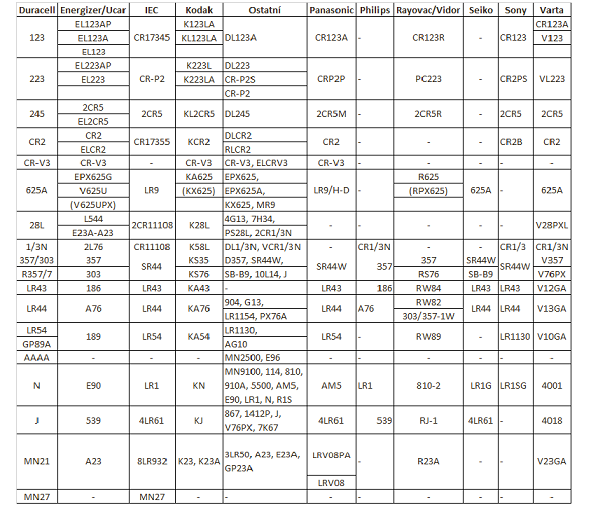
Batteries for other electronic devices can be difficult to identify mainly because of inconsistent model-number systems. A conversion chart is provided here.
Frequently Asked Questions
Does cold temperature really affect batteries?
Yes, it does. Batteries may not be able to provide sufficient energy when they are cold. Keep this in mind especially if you store a device in cold conditions during winter, for example a flashlight in a car. The batteries may not necessarily need to be replaced immediately.
Where should batteries be stored?
Batteries should be stored in a cool, dry place. Avoid extreme temperatures, which can significantly reduce their performance. Keep batteries in their original packaging until you are ready to use them.
Why should new and old batteries not be mixed?
No, this is not simply a marketing recommendation from battery manufacturers – there is a practical reason. Used batteries are more prone to leakage. If you continue using an already depleted battery together with new batteries, there is an increased risk that the older batteries will leak inside the device.
Why should different types of batteries not be mixed?
The reason is the same – the risk of leakage. Different types of batteries discharge at different rates, which means that after some time the device may contain both depleted and partially charged batteries. Since depleted batteries are more prone to leakage, this again increases the risk of discharged batteries leaking inside the device.
What should I do with used batteries?
From our blog
All articles18. 07. 2026, 15:29

How to Choose a Remote Control: Complete Guide to Choosing the Right One
How to Choose a Remote Control: Complete Buying Guide Have you lost your remote control, has it stopped working, or do you need a replacement? Choosing the right remote control does not have to be difficult. ...
Read whole27. 09. 2024, 16:59

How to Calibrate a Laptop Battery
Before use, the battery should be calibrated so that it works correctly. Laptop batteries have a relatively short service life. You should take care of the battery so that it lasts as long as possible. ...
Read whole14. 03. 2024, 12:12

Replacement Chart for Silver Oxide and Alkaline Batteries
napětí [V] průměr výška [mm] Energizer AWI Bulova Duracell Maxell Panasonic Rayovac Renata Sanyo Sony Toshiba Seiko Varta jiný 1,5 11,60 ...
Read whole14. 03. 2024, 11:43

How to Choose a Primary (Non-Rechargeable) Battery?
Batteries for end consumers can, in simplified terms, be divided into two main groups. Although this classification is not entirely technical, they can be divided into standard and special batteries. Standard ...
Read whole








+420 777801557
info@deltamobile.cz
Deltamobile S.R.O.
Ovenecka 348/36,
17000 Praha 7,
Česká republika
Payment possibilities

Payment in store

Cash on delivery

Bank transfer – free of charge

Card payment
transport options

Personal pickup Prague 7

Balíkovna

Balíkovna delivery to address

GLS – Delivery to a pickup point

GLS – Delivery to an address

Czech Post – Registered mail

PPL Parcelshop

Zásilkovna
